Event Series
This long-standing series is the key intellectual forum for Stanford historians who study the African continent and its diaspora.

This lecture series brings distinguished researchers in Modern British History together with Stanford community.

This series includes lectures and conferences that focus on diverse issues in Digital History as a field.
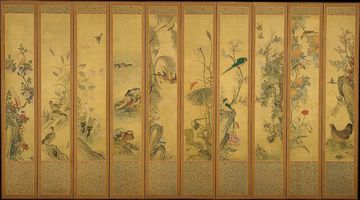
The East Asian History Reading Group supports the informal intellectual community of professors and graduate students interested in East Asian history.
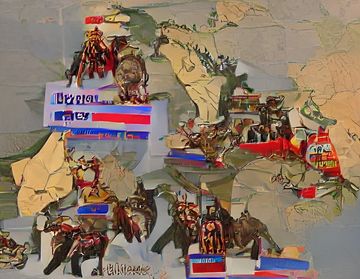
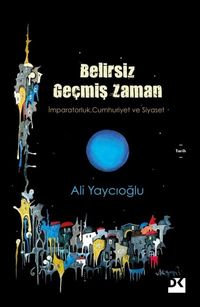
Eurasian Empires explores the connected and comparative history of empires in Eurasia, including ancient Greek and Middle Eastern empires, through early modern and modern Russian, Ottoman, Safavid/Qajar, Uzbek, Mughal, and Chinese empires.

2023-2024 Faculty Organizer: Steven Press
2023-2024 Graduate Student Organizer: Jackie Olson
Subscribe to the Mailing List

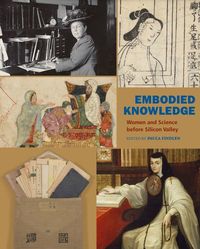
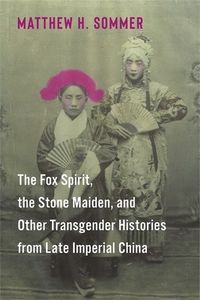
The Gender History Workshop brings together Stanford historians from across geographic specialties to present their current research on the histories of women, gender, and sexuality.

Historical Conversations is a quarterly event series where Stanford History Faculty workshop their work-in-progress or recently published books.

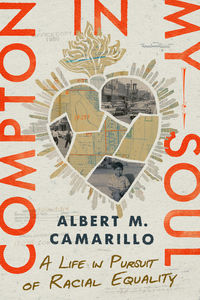
This reading group aims to bridge the studies of Mexico and Mexican communities in the United States. We draw from a range of interdisciplinary perspectives and works to promote the shared study of binational Mexican communities, their histories, and their experiences. Our reading group is thus also a forum for the increasing intellectual and professional merging of the fields of Latin American and Latinx studies (of which Mexican and Mexican American history are part). As such, we seek to fill the gap for a shared intellectual space at Stanford for budding scholars of both Mexico and Mexicans in the United States.

Covid-19 has prompted many within the History Department to reflect on what our own areas of research can tell us about our current predicament.

The Slavery and Freedom research workshop offers a vital, interdisciplinary space for Stanford scholars to discuss the leading methodologies, approaches, debates, and innovations for the academic study of slavery and freedom in and beyond the Atlantic world in various modes, including archival research, public history, theory, and digital scholarship.

The Stanford Environmental and Climate History Workshop (SECH) connects scholars on campus who are researching, writing, or teaching about histories of environmental and climate change as well as questions of environmental and climate justice across periods and geographies. We host social events, guest speakers, book talks, skill-building workshops, discussions of practice, and more.

The U.S. History Workshop gathers faculty and graduate students to discuss works in progress and to foster intellectual community among scholars of U.S. history, as well as related fields and disciplines at Stanford.
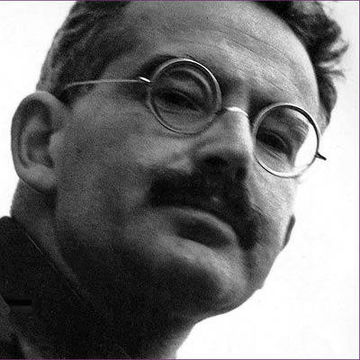
This reading group invites members of the Stanford History community and readers from related fields, including comparative literature, German studies, and art history, to collectively read the works of Walter Benjamin.